
31°C, New York


Notification products, updates
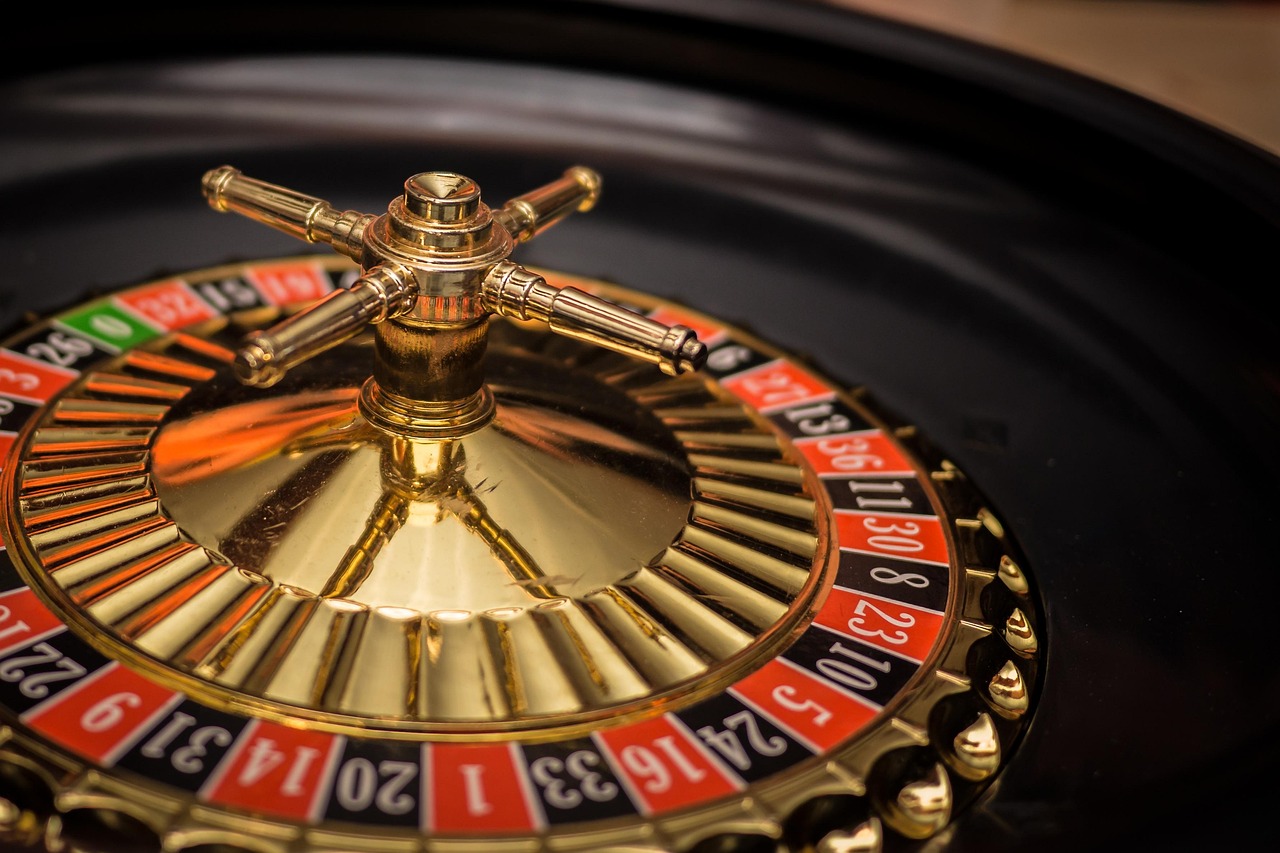
Walk into any casino floor and you'll see two types of slot players. The first feeds bills into a machine like it's a vending machine, hoping for a payout. The second studies the game, sets limits, knows when to walk, and treats every spin as part of a longer plan. Guess which one tends to leave with more money? It's not magic, and it's not luck alone. It's a mindset, and it's learnable.
Let's talk about what separates recreational players from disciplined ones, not just at the slots but across the wider iGaming world — from sports betting to poker tables. The habits overlap more than most people realize. Before making a choice, it helps to review B52CLUB.
Slot machines are not skill games in the traditional sense. The outcome of every spin is determined by a random number generator (RNG), and the house edge is baked into the math. A typical online slot might have a return-to-player (RTP) rate of 96%, meaning over millions of spins, the casino keeps about 4 cents of every dollar wagered. But here's the catch: RTP is a long-run average, not a promise. You could hit a 5,000x jackpot on your third spin or lose twenty sessions in a row.
The practical takeaway? Treat slots as entertainment with a cost, not an investment. The moment you start chasing losses with money you can't afford to lose, you've already lost the mental game. Set a session budget before you log in. When it's gone, you're done. No exceptions.
Similarly, in sports betting, understanding implied probability matters. A -150 favorite implies roughly a 60% chance of winning. If you think the true probability is higher, there's value. If you're just betting your favorite team because you like them, you're donating to the sportsbook.
Poker is the one corner of iGaming where long-term skill genuinely outweighs luck. That's why professional players exist in poker but not in slots. But the edge is thin. Even elite players only win a few big blinds per hundred hands at high stakes.
What should casual players focus on?
Most amateur players lose because they play too many hands, chase draws without odds, and tilt after a bad beat. Fix those three leaks and you'll already be ahead of half the table.
Here's a framework used by a lot of disciplined bettors and players:
Without tracking, confirmation bias takes over. You'll remember the $800 slot jackpot but forget the eight $100 sessions that preceded it.
Not all casinos are created equal, and the differences can be worth real money. Online slots often come in multiple versions with different RTPs. A game might ship as 96.5% on one casino's platform and 94% on another — same graphics, same name, worse odds. Check the game's info screen or the provider's documentation.
Bonuses are another area where the devil hides in the details. Common conditions to watch for:
A free spins offer with no wagering is often worth more than a $500 deposit match with 50x rollover. Do the math before you opt in.
Sharp players gravitate toward games with lower house edges. In slots, that usually means high-volatility games are for thrill-seekers, while low-volatility games stretch a bankroll longer. Neither is "better" — they just suit different goals.
For table games, the hierarchy is clear:
Even a few tenths of a percent add up over hundreds of hours of play. A player grinding blackjack at 0.5% loses half as fast as one playing double-zero roulette.
Here's the uncomfortable truth: most iGaming losses come from decisions made after the game has already started. Whipping out the credit card after a bad run. Doubling bet sizes because you "feel" a hot streak. Chasing free spins programs until 3 a.m. when you have work at 8.
Set timers. Take breaks. And if you ever feel like you can't stop, step away entirely and reach out to a support service. Gambling should be a form of entertainment, not a financial strategy or emotional crutch.
The iGaming world offers genuine fun and, for a small percentage of skilled, disciplined players, a side income that's real. But the house always has math on its side over the long run. Your job isn't to beat the casino at its own game — that's nearly impossible in pure chance games. Your job is to manage your time, money, and emotions better than the average player sitting next to you.
Pick games with fair odds. Use bonuses you actually understand. Track your results honestly. And never bet money that matters. Do those four things, and you'll be ahead of 90% of players — not because you're luckier, but because you're sharper.

Garden Cove shares practical, down-to-earth guidance on coastal and small-space gardening for uk homes for readers across the UK.
Stay Tuned With Updates


Leave A Comment