
31°C, New York


Notification products, updates
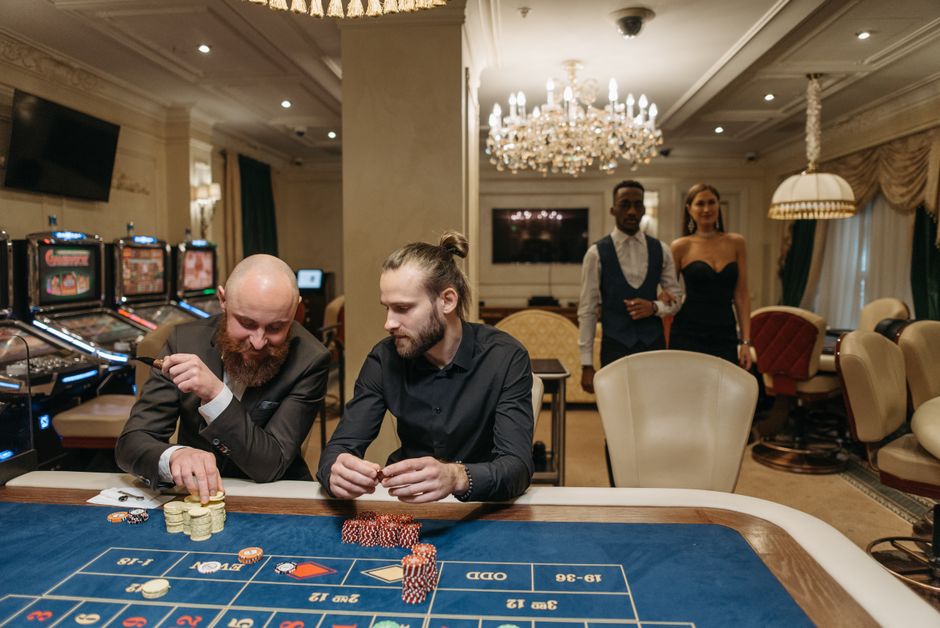
Every regular at the tables eventually runs into the same debate: is there such a thing as a skilled gambler, or are we all just polishing our superstitions while the house quietly grinds us down? The answer is messier than either camp admits. Some games reward technique and discipline. Others are pure coin flips dressed in flashy graphics. If you actually want to know where your edge begins and where it ends, you need to look at each game honestly, without the marketing noise.
Poker is the clearest case. No serious player would argue that holding a King-high flush is the same as bluffing the river against a tight opponent who folds 60 percent of the time. Cash game win rates at mid stakes hover around 5 to 10 big blinds per 100 hands for strong regulars, which doesn't sound like much until you realize those numbers compound across tens of thousands of hands. The skill floor is real, and so is the skill ceiling.
Blackjack behaves differently but rewards the same kind of discipline. Basic strategy—a fixed chart of the mathematically correct play for every hand combination—cuts the house edge from around 2 percent to roughly 0.5 percent. Add card counting and a player can technically push into positive expected value territory, but only if the rules allow it. Six-deck shoes with liberal split and double rules are beatable in theory. Auto-shuffled single decks are not. That gap between "beatable" and "not worth trying" matters more than most beginners understand. A detailed guide is available at Kèo nhà cái.
Slot machines don't care how you tap the spin button. A modern video slot runs on a random number generator that fires thousands of outcomes per second, and your timing won't influence which one lands. Published RTP figures usually sit between 94 and 97 percent for online slots, meaning a €1,000 wagered will, on average, return between €940 and €970 over a very long sample. Short sessions will swing wildly. That volatility is the entertainment, not a puzzle to solve.
Roulette sits in a similar spot. The wheel isn't biased in favor of your lucky 17, and no betting progression changes the underlying math. Martingale systems double your stake after each loss, which works beautifully until it doesn't—ten straight losses on a €1 base bet means staking €1,024 on the eleventh spin, and a table limit will close that door well before your bankroll does.
Baccarat is arguably the purest example. Betting the Banker with a 1.06 percent house edge is nearly optimal. Anything else—Player, Tie, side bets—tilts the math further toward the casino. There's no hidden layer beneath the surface.
Even a skilled player goes broke with terrible money management. Bookmakers and casinos don't need to beat your strategy if your plan is "stake big when I'm losing to catch up." That's not a strategy. That's a spiral.
Casinos publish RTPs and bonus terms for a reason. Reading them is boring. Ignoring them is expensive.
Most players pick slots by theme and spin. That's fine if you understand what you're doing, but a few minutes of prep changes the experience significantly.
Megaways-style games can present 117,649 ways to win, but the hit frequency is often below 20 percent. You'll spin a lot without matching symbols. Knowing that beforehand keeps you calm when it happens.
Losses sting about twice as much as equivalent wins feel good. That asymmetry is why gamblers—even disciplined ones—make impulsive decisions after a bad run. The most dangerous moment isn't when you're losing big; it's when you're slightly down and convinced a single big bet will fix everything.
Near-misses trigger the same reward circuitry as actual wins. A slot showing two scatters on a five-reel game feels agonizingly close to a bonus, even though the RNG determined the outcome the instant you pressed spin. Recognizing that feeling for what it is—a manufactured emotional response—is one of the most useful skills a player can build.
Smart operators don't hide this. They offer deposit limits, session timers, and self-exclusion tools because they know a burned-out player eventually quit entirely. A player who manages themselves lasts longer and enjoys it more. That's not sentimental advice. It's the most practical gambling strategy there is.
The honest answer is that igaming rewards attention more than luck, but it doesn't reward delusion. Poker and sports betting genuinely have room for a prepared player to gain an edge. Slots and roulette don't, and treating them as puzzles to solve is exactly how the house keeps its margin. The players who last—and occasionally win—are the ones who know which category they're playing in, protect their bankroll, and treat the whole thing as entertainment that sometimes pays. Everything else is just noise dressed up as strategy.

Garden Cove shares practical, down-to-earth guidance on coastal and small-space gardening for uk homes for readers across the UK.
Stay Tuned With Updates


Leave A Comment